Gastroesophageal reflux disease (GERD), commonly known as acid reflux, is a prevalent digestive disorder that can affect individuals of all ages but occurs more frequently in adults. Statistics indicate that approximately 10–20% of adults experience gastroesophageal reflux disease at least once in their lifetime.
What is gastroesophageal reflux disease (GERD)?
Gastroesophageal reflux disease (GERD) is a condition in which acidic gastric contents flow backward from the stomach into the esophagus, causing characteristic symptoms such as a burning sensation behind the breastbone (heartburn), acid regurgitation, epigastric pain, difficulty swallowing, chronic cough, and various other uncomfortable manifestations.
Gastroesophageal reflux disease (GERD) may present in either an acute or chronic form:
Acute gastroesophageal reflux: this form occurs suddenly, often triggered by factors such as overeating, consuming alcohol, acidic or spicy foods, or lying down immediately after meals. In most cases, symptoms subside or resolve within a few hours to a few days once lifestyle and dietary habits are adjusted.
Chronic gastroesophageal reflux: this condition recurs several times a week or persists for weeks to months. If left untreated, it may lead to complications such as esophagitis, esophageal stricture, Barrett’s esophagus, or other serious disorders.
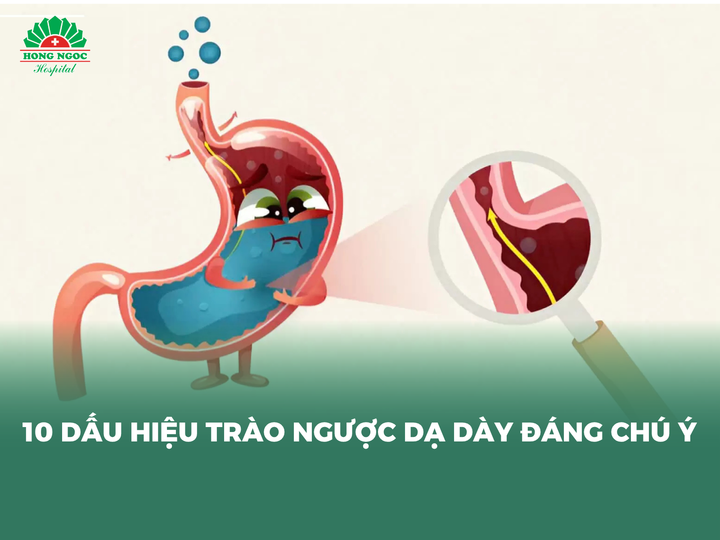
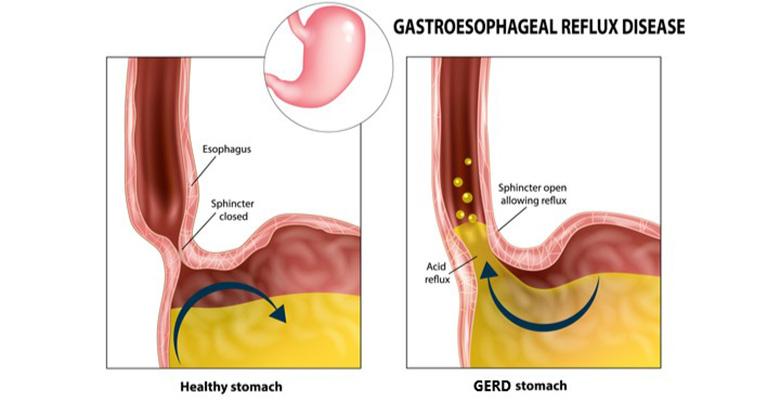
Gastroesophageal reflux disease (GERD) is a condition in which stomach acid flows backward into the esophagus.
Causes of gastroesophageal reflux disease (GERD)
There are several factors that contribute to the development of gastroesophageal reflux disease. Below are the main categories of causes commonly identified:
Food retention in the stomach: individuals with gastric ulcers, pyloric stenosis, delayed gastric emptying, or stomach cancer may experience incomplete digestion, leading to the accumulation of food in the stomach. This condition increases intragastric pressure, allowing acidic contents to reflux into the esophagus.
Increased intra-abdominal pressure and physiological factors: prolonged coughing, sneezing, or bending can elevate abdominal pressure, thereby promoting gastric acid reflux. Physiological conditions such as pregnancy, obesity, and rapid weight gain also contribute to increased intra-abdominal pressure, facilitating upward flow of gastric contents.
Lifestyle habits and psychological or environmental factors: frequent consumption of fatty, spicy, or acidic foods; staying up late; drinking alcohol, coffee, or carbonated beverages; lying down immediately after eating; long-term use of medications such as NSAIDs or antibiotics; and chronic stress or anxiety can all aggravate or trigger GERD symptoms.
Stress and psychological tension are among the contributing factors to gastroesophageal reflux disease (GERD).
Signs and symptoms of gastroesophageal reflux disease (GERD)
The common clinical manifestations of gastroesophageal reflux disease include:
Excessive salivation: this is a natural reflex of the body aimed at neutralizing acid when gastric acid refluxes into the oral cavity.
Heartburn, belching, and acid regurgitation: these symptoms usually occur after eating or when bending forward. They result from relaxation of the lower esophageal sphincter, allowing gastric gas and acid to flow upward into the esophagus, causing a burning sensation in the upper abdomen.
Nausea and vomiting: often occur after heavy meals, when lying down immediately after eating, or when the stomach is empty.
Bitter taste and bad breath: caused by acid reflux that carries bile into the mouth.
Difficulty swallowing (dysphagia): stomach acid can cause swelling and inflammation of the esophagus; in more severe cases, patients may feel a sensation of obstruction or tightness in the throat.
Asthma, coughing, and hoarseness: when acid reflux reaches the upper airway and irritates the vocal cords, it can lead to inflammation, persistent coughing, hoarseness, or nighttime asthma attacks.
Persistent abdominal pain: prolonged food retention in the stomach can cause bloating, indigestion, and cramping abdominal pain.
Sudden weight loss: due to fatigue, poor appetite, and impaired digestion, leading to inadequate nutrient absorption.
Gastrointestinal bleeding: vomiting blood or passing black, tarry stools are warning signs of severe complications, indicating ulceration and bleeding in the stomach or esophagus.
Most symptoms of gastroesophageal reflux disease (GERD) are often subtle and can easily be mistaken for other digestive, respiratory, or cardiovascular conditions. Patients tend to overlook these signs or self-medicate without proper evaluation, which may cause the disease to progress silently or lead to serious complications.
When experiencing unusual symptoms such as heartburn, chest pain, persistent coughing, difficulty swallowing, or a sensation of obstruction in the throat, patients are advised to visit the gastroenterology department of a reputable general hospital for timely diagnosis and treatment.
At Hong Ngoc General Hospital, patients with GERD are directly examined and treated by leading gastroenterology experts with over 30 years of clinical experience from top national hospitals such as Bach Mai and Military Hospital 108, including Dr. Dang Thi Kim Oanh (PhD, Specialist Level II), Assoc. Prof. Dr. Nguyen Canh Binh, and Dr. Le Thi Van Anh (MSc). Patients will undergo necessary diagnostic tests to ensure accurate evaluation, appropriate treatment, and prevention of long-term complications.
Hong Ngoc General Hospital applies the advanced Narrow Band Imaging (NBI) endoscopy technology from Japan, which magnifies images up to 150 times, allowing visualization of even the smallest capillaries. This enables precise assessment of the reflux condition and its severity, with the ability to perform immediate endoscopic interventions, thereby optimizing treatment outcomes.
Contact our hotline 0911 908 856 to receive special offers on gastrointestinal endoscopy services and early detection of gastroesophageal reflux disease (GERD).
Gastroesophagoscopy (upper endoscopy) is an effective diagnostic method for detecting gastroesophageal reflux disease (GERD).
Stages of gastroesophageal reflux disease (GERD)
Gastroesophageal reflux disease is classified into five stages, based on the increasing severity of symptoms and esophageal damage, as follows:
Stages of gastroesophageal reflux disease (GERD)
Gastroesophageal reflux disease is classified into five stages, based on the increasing severity of symptoms and esophageal damage, as follows:
Stage 0: the amount of acid refluxing into the esophagus is minimal and does not significantly affect the esophageal lining. No signs of inflammation or ulceration are present. At this stage, symptoms such as heartburn or belching occur infrequently and are often mild or mistaken for normal physiological phenomena.
Stage A: this is the most common stage at which GERD is detected. Mild acid-induced damage to the esophageal lining has begun. Patients often experience symptoms such as acid regurgitation, burning sensation behind the breastbone, or a feeling of tightness when swallowing.
Stage B: symptoms such as difficulty swallowing or a sensation of obstruction become more noticeable as inflammation progresses. Erosions greater than 5 mm in length begin to appear, either scattered or adjacent to one another along the mucosal surface of the stomach and esophagus.
Stage C: prolonged exposure of the esophagus to gastric acid leads to the formation of ulcers and may cause Barrett’s esophagus. Patients at this stage typically experience severe symptoms including chest pain, intense heartburn, dysphagia, nausea, or even vomiting blood.
Stage D: This is the most advanced and severe stage of GERD, characterized by extensive esophageal damage. The symptoms observed in Stage C become persistent and are often accompanied by a significant decline in overall physical health and quality of life.
Complications of gastroesophageal reflux disease (GERD)
If left undiagnosed or untreated, gastroesophageal reflux disease can lead to several serious complications, including:
Esophagitis: prolonged exposure of the esophageal lining to gastric acid can cause inflammation and ulceration, leading to bleeding, pain, and difficulty swallowing, significantly affecting overall health.
Esophageal stricture: chronic acid reflux can damage the esophageal tissue, resulting in scar formation and narrowing of the esophageal lumen, which makes swallowing increasingly difficult.
Barrett’s esophagus: in this condition, the normal squamous cells of the lower esophagus are replaced by columnar cells similar to those found in the intestinal lining. Although not cancerous, these cells carry a higher risk of developing into precancerous or malignant changes.
Esophageal adenocarcinoma: long-standing, untreated GERD increases the risk of developing adenocarcinoma — one of the two main types of esophageal cancer. This complication is most commonly observed in individuals over 50 years old. Early stages often present few or no symptoms until the disease progresses, manifesting as chest pain, hoarseness, weight loss, and progressive difficulty swallowing.
Complications of gastroesophageal reflux disease (GERD) include Barrett’s esophagus.
Diagnostic methods for gastroesophageal reflux disease (GERD)
Below are several commonly used diagnostic methods to determine the severity and classification of gastroesophageal reflux disease:
Esophagogastroscopy (upper endoscopy): examines the esophageal mucosa to detect inflammation, ulceration, bleeding, or stricture. Endoscopy also helps distinguish between erosive and non-erosive reflux disease.
Upper gastrointestinal X-ray with contrast: performed when a hiatal hernia or esophageal narrowing is suspected.
Esophageal manometry: evaluates the function of the lower esophageal sphincter and esophageal motility, especially in patients with severe reflux or those unresponsive to initial treatment.
Twenty-four-hour esophageal pH monitoring with impedance: measures the frequency and duration of acid (or weak acid) reflux episodes into the esophagus or pharynx, particularly useful in cases where endoscopy shows no visible inflammation.
How is gastroesophageal reflux disease (GERD) treated?
GERD can be completely managed and cured if treated properly. The main approaches include medication therapy combined with lifestyle modifications:
Lifestyle modifications: lose weight; avoid lying down immediately after meals (wait at least 2–3 hours); elevate the head of the bed when sleeping; limit acidic, spicy, and high-fat foods; avoid alcohol, coffee, and smoking; and eat smaller, more frequent meals.
Medication therapy: proton pump inhibitors (PPIs) are the main class of drugs used to reduce acid secretion and promote healing of the esophageal lining. Common options include omeprazole, lansoprazole, pantoprazole, and esomeprazole. In mild to moderate cases, PPIs may be combined with antacids or H2 receptor blockers when necessary.
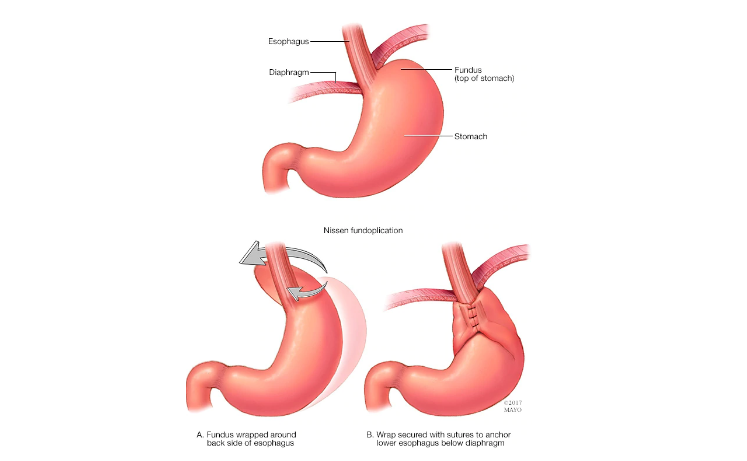
In severe cases where medication is no longer effective, surgery may be indicated. Nissen fundoplication reinforces the lower esophageal sphincter by tightening it, while the LINX procedure involves placing a ring of magnetic beads around the sphincter to prevent acid reflux while still allowing food to pass through normally.
Surgical intervention is indicated when medical therapy is no longer effective.
At the Gastroenterology Center – Hong Ngoc General Hospital, patients with gastroesophageal reflux disease (GERD) are treated using an intensive PPI-based medical protocol, closely monitored over a 4-week course, aiming for root-cause management and personalized care. This treatment regimen helps to:
Inhibit acid secretion and reduce gastric acidity, thereby minimizing reflux into the esophagus.
Rapidly improve typical symptoms such as heartburn, chest discomfort, difficulty swallowing, and chronic cough within just four weeks. (*)
Prevent and treat gastric and duodenal ulcers while promoting recovery of the esophageal mucosa.
Minimize the risk of serious complications such as esophageal ulceration and Barrett’s esophagus – a precancerous condition.
With a team of highly experienced physicians and a modern, well-equipped medical system, Hong Ngoc General Hospital is a trusted and reputable address in Hanoi for the diagnosis and treatment of gastroesophageal reflux disease (GERD), providing patients with complete confidence and peace of mind during their care journey.
(*) Depending on each patient’s condition and overall health status.
Frequently asked questions about gastroesophageal reflux disease (GERD)
How long does gastroesophageal reflux disease (GERD) last?
If GERD is acute with identifiable causes and treated through lifestyle adjustments combined with appropriate medication, symptoms usually resolve within a few days to a few weeks.
How do I know if I have GERD?
Common signs include heartburn, acid regurgitation, burning or pain in the chest after meals, persistent dry cough, or difficulty swallowing. If these symptoms occur frequently, you should visit a gastroenterologist for evaluation and diagnosis.
How can GERD be prevented?
Maintain a healthy weight, avoid overeating, limit fatty, spicy, or acidic foods, avoid lying down immediately after meals, elevate the head during sleep, manage stress, and limit alcohol consumption as well as medications that may irritate the stomach or cause ulcers.
What should I do if I experience nighttime acid reflux?
Elevate the head of the bed; avoid eating late at night; refrain from consuming reflux-triggering foods before bedtime; use a high pillow; and if necessary, take prescribed medication before dinner or as directed by your doctor.
What foods are recommended for people with GERD?
Opt for light, easily digestible foods such as plain rice, bread, boiled sweet potatoes, bananas, and yogurt. Prioritize green vegetables and non-acidic fruits, stay well-hydrated, and avoid fried, spicy foods, coffee, and carbonated beverages.
Note: The information provided in this article by Hong Ngoc General Hospital is for reference purposes only and should not replace professional medical diagnosis or treatment. Patients are advised not to self-medicate. To accurately determine their medical condition, patients should visit a hospital for direct examination, diagnosis, and consultation with a physician to receive an appropriate and effective treatment plan.
Gastroenterology Center – Hong Ngoc General Hospital
Hong Ngoc Phuc Truong Minh General Hospital – No. 8 Chau Van Liem, Tu Liem, Hanoi
Hong Ngoc General Hospital – 55 Yen Ninh, Ba Dinh, Hanoi
Hong Ngoc Tasco Long Bien Clinic – 3rd Floor, Block B, Tasco Megamall, 07–09 Nguyen Van Linh, Viet Hung, Hanoi
Stay updated with useful health information and special promotions at: Gastroenterology Center – Hong Ngoc General Hospital
Gastroesophageal reflux disease (GERD), commonly known as acid reflux, is a prevalent digestive disorder that can affect individuals of all ages but occurs more frequently in adults. Statistics indicate that approximately 10–20% of adults experience gastroesophageal reflux disease at least once in their lifetime.
What is gastroesophageal reflux disease (GERD)?
Gastroesophageal reflux disease (GERD) is a condition in which acidic gastric contents flow backward from the stomach into the esophagus, causing characteristic symptoms such as a burning sensation behind the breastbone (heartburn), acid regurgitation, epigastric pain, difficulty swallowing, chronic cough, and various other uncomfortable manifestations.
Gastroesophageal reflux disease (GERD) may present in either an acute or chronic form:
Acute gastroesophageal reflux: this form occurs suddenly, often triggered by factors such as overeating, consuming alcohol, acidic or spicy foods, or lying down immediately after meals. In most cases, symptoms subside or resolve within a few hours to a few days once lifestyle and dietary habits are adjusted.
Chronic gastroesophageal reflux: this condition recurs several times a week or persists for weeks to months. If left untreated, it may lead to complications such as esophagitis, esophageal stricture, Barrett’s esophagus, or other serious disorders.
Gastroesophageal reflux disease (GERD) is a condition in which stomach acid flows backward into the esophagus.
Causes of gastroesophageal reflux disease (GERD)
There are several factors that contribute to the development of gastroesophageal reflux disease. Below are the main categories of causes commonly identified:
Food retention in the stomach: individuals with gastric ulcers, pyloric stenosis, delayed gastric emptying, or stomach cancer may experience incomplete digestion, leading to the accumulation of food in the stomach. This condition increases intragastric pressure, allowing acidic contents to reflux into the esophagus.
Increased intra-abdominal pressure and physiological factors: prolonged coughing, sneezing, or bending can elevate abdominal pressure, thereby promoting gastric acid reflux. Physiological conditions such as pregnancy, obesity, and rapid weight gain also contribute to increased intra-abdominal pressure, facilitating upward flow of gastric contents.
Lifestyle habits and psychological or environmental factors: frequent consumption of fatty, spicy, or acidic foods; staying up late; drinking alcohol, coffee, or carbonated beverages; lying down immediately after eating; long-term use of medications such as NSAIDs or antibiotics; and chronic stress or anxiety can all aggravate or trigger GERD symptoms.
Stress and psychological tension are among the contributing factors to gastroesophageal reflux disease (GERD).
Signs and symptoms of gastroesophageal reflux disease (GERD)
The common clinical manifestations of gastroesophageal reflux disease include:
Excessive salivation: this is a natural reflex of the body aimed at neutralizing acid when gastric acid refluxes into the oral cavity.
Heartburn, belching, and acid regurgitation: these symptoms usually occur after eating or when bending forward. They result from relaxation of the lower esophageal sphincter, allowing gastric gas and acid to flow upward into the esophagus, causing a burning sensation in the upper abdomen.
Nausea and vomiting: often occur after heavy meals, when lying down immediately after eating, or when the stomach is empty.
Bitter taste and bad breath: caused by acid reflux that carries bile into the mouth.
Difficulty swallowing (dysphagia): stomach acid can cause swelling and inflammation of the esophagus; in more severe cases, patients may feel a sensation of obstruction or tightness in the throat.
Asthma, coughing, and hoarseness: when acid reflux reaches the upper airway and irritates the vocal cords, it can lead to inflammation, persistent coughing, hoarseness, or nighttime asthma attacks.
Persistent abdominal pain: prolonged food retention in the stomach can cause bloating, indigestion, and cramping abdominal pain.
Sudden weight loss: due to fatigue, poor appetite, and impaired digestion, leading to inadequate nutrient absorption.
Gastrointestinal bleeding: vomiting blood or passing black, tarry stools are warning signs of severe complications, indicating ulceration and bleeding in the stomach or esophagus.
Most symptoms of gastroesophageal reflux disease (GERD) are often subtle and can easily be mistaken for other digestive, respiratory, or cardiovascular conditions. Patients tend to overlook these signs or self-medicate without proper evaluation, which may cause the disease to progress silently or lead to serious complications.
When experiencing unusual symptoms such as heartburn, chest pain, persistent coughing, difficulty swallowing, or a sensation of obstruction in the throat, patients are advised to visit the gastroenterology department of a reputable general hospital for timely diagnosis and treatment.
At Hong Ngoc General Hospital, patients with GERD are directly examined and treated by leading gastroenterology experts with over 30 years of clinical experience from top national hospitals such as Bach Mai and Military Hospital 108, including Dr. Dang Thi Kim Oanh (PhD, Specialist Level II), Assoc. Prof. Dr. Nguyen Canh Binh, and Dr. Le Thi Van Anh (MSc). Patients will undergo necessary diagnostic tests to ensure accurate evaluation, appropriate treatment, and prevention of long-term complications.
Hong Ngoc General Hospital applies the advanced Narrow Band Imaging (NBI) endoscopy technology from Japan, which magnifies images up to 150 times, allowing visualization of even the smallest capillaries. This enables precise assessment of the reflux condition and its severity, with the ability to perform immediate endoscopic interventions, thereby optimizing treatment outcomes.
Contact our hotline 0911 908 856 to receive special offers on gastrointestinal endoscopy services and early detection of gastroesophageal reflux disease (GERD).
Gastroesophagoscopy (upper endoscopy) is an effective diagnostic method for detecting gastroesophageal reflux disease (GERD).
Stages of gastroesophageal reflux disease (GERD)
Gastroesophageal reflux disease is classified into five stages, based on the increasing severity of symptoms and esophageal damage, as follows:
Stages of gastroesophageal reflux disease (GERD)
Gastroesophageal reflux disease is classified into five stages, based on the increasing severity of symptoms and esophageal damage, as follows:
Stage 0: the amount of acid refluxing into the esophagus is minimal and does not significantly affect the esophageal lining. No signs of inflammation or ulceration are present. At this stage, symptoms such as heartburn or belching occur infrequently and are often mild or mistaken for normal physiological phenomena.
Stage A: this is the most common stage at which GERD is detected. Mild acid-induced damage to the esophageal lining has begun. Patients often experience symptoms such as acid regurgitation, burning sensation behind the breastbone, or a feeling of tightness when swallowing.
Stage B: symptoms such as difficulty swallowing or a sensation of obstruction become more noticeable as inflammation progresses. Erosions greater than 5 mm in length begin to appear, either scattered or adjacent to one another along the mucosal surface of the stomach and esophagus.
Stage C: prolonged exposure of the esophagus to gastric acid leads to the formation of ulcers and may cause Barrett’s esophagus. Patients at this stage typically experience severe symptoms including chest pain, intense heartburn, dysphagia, nausea, or even vomiting blood.
Stage D: This is the most advanced and severe stage of GERD, characterized by extensive esophageal damage. The symptoms observed in Stage C become persistent and are often accompanied by a significant decline in overall physical health and quality of life.
Complications of gastroesophageal reflux disease (GERD)
If left undiagnosed or untreated, gastroesophageal reflux disease can lead to several serious complications, including:
Esophagitis: prolonged exposure of the esophageal lining to gastric acid can cause inflammation and ulceration, leading to bleeding, pain, and difficulty swallowing, significantly affecting overall health.
Esophageal stricture: chronic acid reflux can damage the esophageal tissue, resulting in scar formation and narrowing of the esophageal lumen, which makes swallowing increasingly difficult.
Barrett’s esophagus: in this condition, the normal squamous cells of the lower esophagus are replaced by columnar cells similar to those found in the intestinal lining. Although not cancerous, these cells carry a higher risk of developing into precancerous or malignant changes.
Esophageal adenocarcinoma: long-standing, untreated GERD increases the risk of developing adenocarcinoma — one of the two main types of esophageal cancer. This complication is most commonly observed in individuals over 50 years old. Early stages often present few or no symptoms until the disease progresses, manifesting as chest pain, hoarseness, weight loss, and progressive difficulty swallowing.
Complications of gastroesophageal reflux disease (GERD) include Barrett’s esophagus.
Diagnostic methods for gastroesophageal reflux disease (GERD)
Below are several commonly used diagnostic methods to determine the severity and classification of gastroesophageal reflux disease:
Esophagogastroscopy (upper endoscopy): examines the esophageal mucosa to detect inflammation, ulceration, bleeding, or stricture. Endoscopy also helps distinguish between erosive and non-erosive reflux disease.
Upper gastrointestinal X-ray with contrast: performed when a hiatal hernia or esophageal narrowing is suspected.
Esophageal manometry: evaluates the function of the lower esophageal sphincter and esophageal motility, especially in patients with severe reflux or those unresponsive to initial treatment.
Twenty-four-hour esophageal pH monitoring with impedance: measures the frequency and duration of acid (or weak acid) reflux episodes into the esophagus or pharynx, particularly useful in cases where endoscopy shows no visible inflammation.
How is gastroesophageal reflux disease (GERD) treated?
GERD can be completely managed and cured if treated properly. The main approaches include medication therapy combined with lifestyle modifications:
Lifestyle modifications: lose weight; avoid lying down immediately after meals (wait at least 2–3 hours); elevate the head of the bed when sleeping; limit acidic, spicy, and high-fat foods; avoid alcohol, coffee, and smoking; and eat smaller, more frequent meals.
Medication therapy: proton pump inhibitors (PPIs) are the main class of drugs used to reduce acid secretion and promote healing of the esophageal lining. Common options include omeprazole, lansoprazole, pantoprazole, and esomeprazole. In mild to moderate cases, PPIs may be combined with antacids or H2 receptor blockers when necessary.
In severe cases where medication is no longer effective, surgery may be indicated. Nissen fundoplication reinforces the lower esophageal sphincter by tightening it, while the LINX procedure involves placing a ring of magnetic beads around the sphincter to prevent acid reflux while still allowing food to pass through normally.
Surgical intervention is indicated when medical therapy is no longer effective.
At the Gastroenterology Center – Hong Ngoc General Hospital, patients with gastroesophageal reflux disease (GERD) are treated using an intensive PPI-based medical protocol, closely monitored over a 4-week course, aiming for root-cause management and personalized care. This treatment regimen helps to:
Inhibit acid secretion and reduce gastric acidity, thereby minimizing reflux into the esophagus.
Rapidly improve typical symptoms such as heartburn, chest discomfort, difficulty swallowing, and chronic cough within just four weeks. (*)
Prevent and treat gastric and duodenal ulcers while promoting recovery of the esophageal mucosa.
Minimize the risk of serious complications such as esophageal ulceration and Barrett’s esophagus – a precancerous condition.
With a team of highly experienced physicians and a modern, well-equipped medical system, Hong Ngoc General Hospital is a trusted and reputable address in Hanoi for the diagnosis and treatment of gastroesophageal reflux disease (GERD), providing patients with complete confidence and peace of mind during their care journey.
(*) Depending on each patient’s condition and overall health status.
Frequently asked questions about gastroesophageal reflux disease (GERD)
How long does gastroesophageal reflux disease (GERD) last?
If GERD is acute with identifiable causes and treated through lifestyle adjustments combined with appropriate medication, symptoms usually resolve within a few days to a few weeks.
How do I know if I have GERD?
Common signs include heartburn, acid regurgitation, burning or pain in the chest after meals, persistent dry cough, or difficulty swallowing. If these symptoms occur frequently, you should visit a gastroenterologist for evaluation and diagnosis.
How can GERD be prevented?
Maintain a healthy weight, avoid overeating, limit fatty, spicy, or acidic foods, avoid lying down immediately after meals, elevate the head during sleep, manage stress, and limit alcohol consumption as well as medications that may irritate the stomach or cause ulcers.
What should I do if I experience nighttime acid reflux?
Elevate the head of the bed; avoid eating late at night; refrain from consuming reflux-triggering foods before bedtime; use a high pillow; and if necessary, take prescribed medication before dinner or as directed by your doctor.
What foods are recommended for people with GERD?
Opt for light, easily digestible foods such as plain rice, bread, boiled sweet potatoes, bananas, and yogurt. Prioritize green vegetables and non-acidic fruits, stay well-hydrated, and avoid fried, spicy foods, coffee, and carbonated beverages.
Note: The information provided in this article by Hong Ngoc General Hospital is for reference purposes only and should not replace professional medical diagnosis or treatment. Patients are advised not to self-medicate. To accurately determine their medical condition, patients should visit a hospital for direct examination, diagnosis, and consultation with a physician to receive an appropriate and effective treatment plan.
Gastroenterology Center – Hong Ngoc General Hospital
Hong Ngoc Phuc Truong Minh General Hospital – No. 8 Chau Van Liem, Tu Liem, Hanoi
Hong Ngoc General Hospital – 55 Yen Ninh, Ba Dinh, Hanoi
Hong Ngoc Tasco Long Bien Clinic – 3rd Floor, Block B, Tasco Megamall, 07–09 Nguyen Van Linh, Viet Hung, Hanoi
Để lại câu hỏi của bạn để nhận được giải đáp từ các bác sĩ của Hồng Ngọc
Lorem ipsum dolor
Lorem ipsum dolor sit amet, consectetur adipiscing elit. Mauris odio lectus, pretium faucibus nisi eu, accumsan consectetur orci. In blandit vehicula nisl, vel lacinia ligula finibus a. Donec fermentum rhoncus
Lorem ipsum dolor sit amet, consectetur adipiscing elit. Mauris odio lectus, pretium faucibus nisi eu, accumsan consectetur orci. In blandit vehicula nisl, vel lacinia ligula finibus a. Donec fermentum rhoncus
Lorem ipsum dolor sit amet, consectetur adipiscing elit. Mauris odio lectus, pretium faucibus nisi eu, accumsan consectetur orci. In blandit vehicula nisl, vel lacinia ligula finibus a. Donec fermentum rhoncus
Lorem ipsum dolor sit amet, consectetur adipiscing elit. Mauris odio lectus, pretium faucibus nisi eu, accumsan consectetur orci. In blandit vehicula nisl, vel lacinia ligula finibus a. Donec fermentum rhoncus
Lorem ipsum dolor sit amet, consectetur adipiscing elit. Mauris odio lectus, pretium faucibus nisi eu, accumsan consectetur orci. In blandit vehicula nisl, vel lacinia ligula finibus a. Donec fermentum rhoncus





:max_bytes(150000):strip_icc()/Health-Barretts-Esophagus-258dcc3feaf74a2caa9a70c20ea06a1b.jpg)